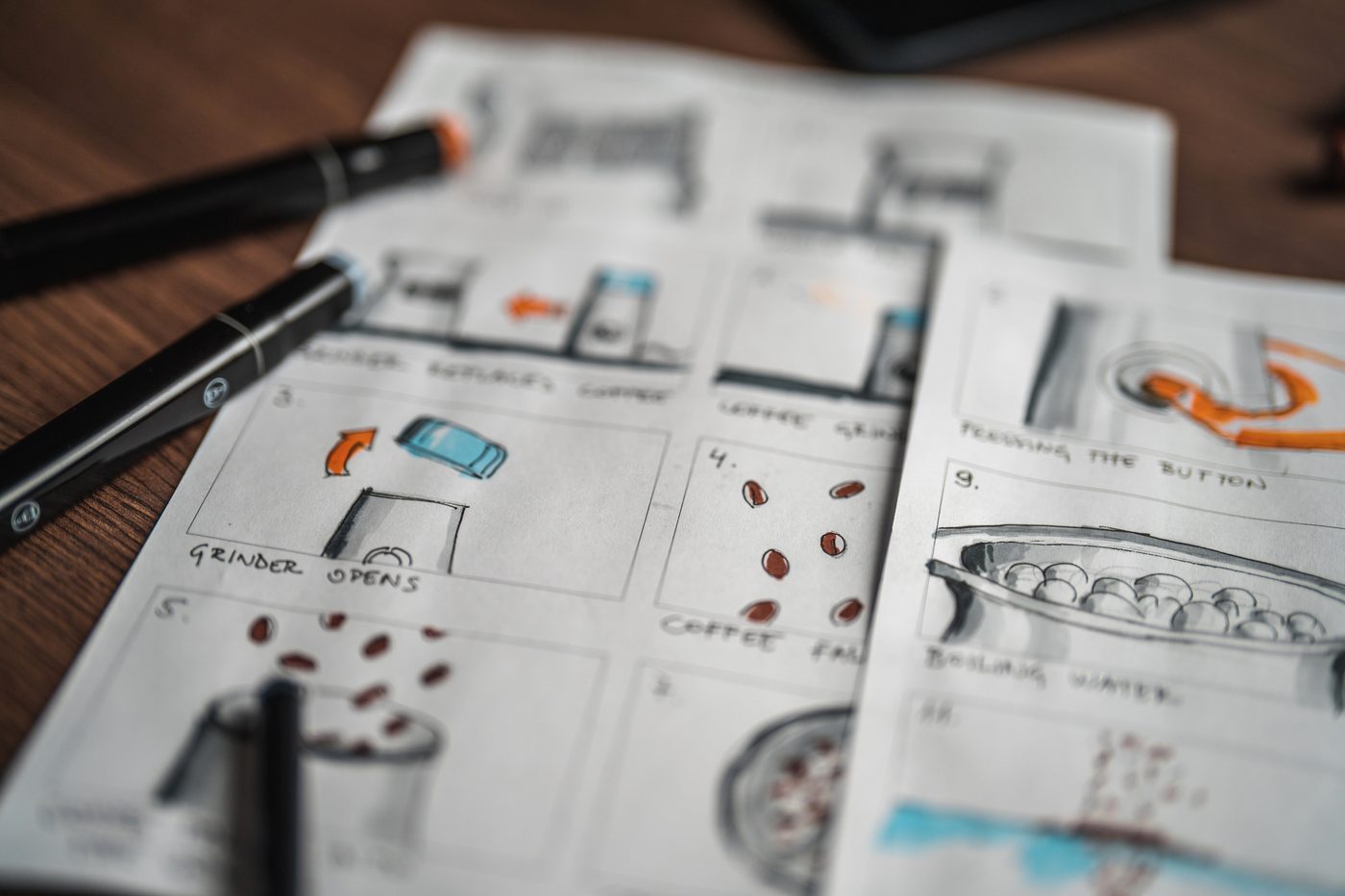
Explainer video projects rarely run late because of animation. They run late because something was unresolved at the briefing stage and only surfaced at storyboard, when changing it costs real time.
Here is what to settle before the first meeting.
One audience, named specifically
"Potential customers" is not an audience. A technical buyer evaluating you against two competitors is an audience. A procurement lead who has never heard of your category is a different one.
They need different videos. Pick one. A video built for a specific viewer works far harder than one hedged across several, and the hedged version usually reads as generic to all of them.
One message, written as a sentence
Before any script, write the single thing a viewer should retain. One sentence.
If that sentence cannot be written, the video is not ready to brief - and no amount of production quality resolves it. This is also the test to apply to every later request to add something: if it does not serve that sentence, it belongs in a different piece of content.
An honest view of what the viewer already knows
The most common failure in explainer video is pitching at the wrong level of knowledge - usually too high, because the people briefing it work with the product daily.
Decide explicitly what you assume the viewer knows. Everything else has to be established in the video, and that establishing costs seconds you need to budget for.
The assets you actually have
List what exists: brand guidelines, fonts, product photography, 3D models, previous footage, a voice you already use. Then list what does not exist but is assumed.
A project planned around a 3D model that turns out to be a CAD file nobody can export is a project that stalls in week two. Establishing this early changes the approach rather than derailing it later.
A named approver and a real timeline
More explainer projects slip on approvals than on production. Decide before starting who signs off the script, who signs off the storyboard, and how long each round realistically takes in your organisation.
Script and storyboard are where changes are cheap. Once animation starts, a structural change means redoing work. Front-loading the scrutiny is the single biggest thing a client can do to keep a project on schedule.
Then let the process work
With those five settled, production is predictable: script, concept, storyboard, voiceover, animation, refinement, delivery.
Our explainer video production page walks through how that six-step process runs.