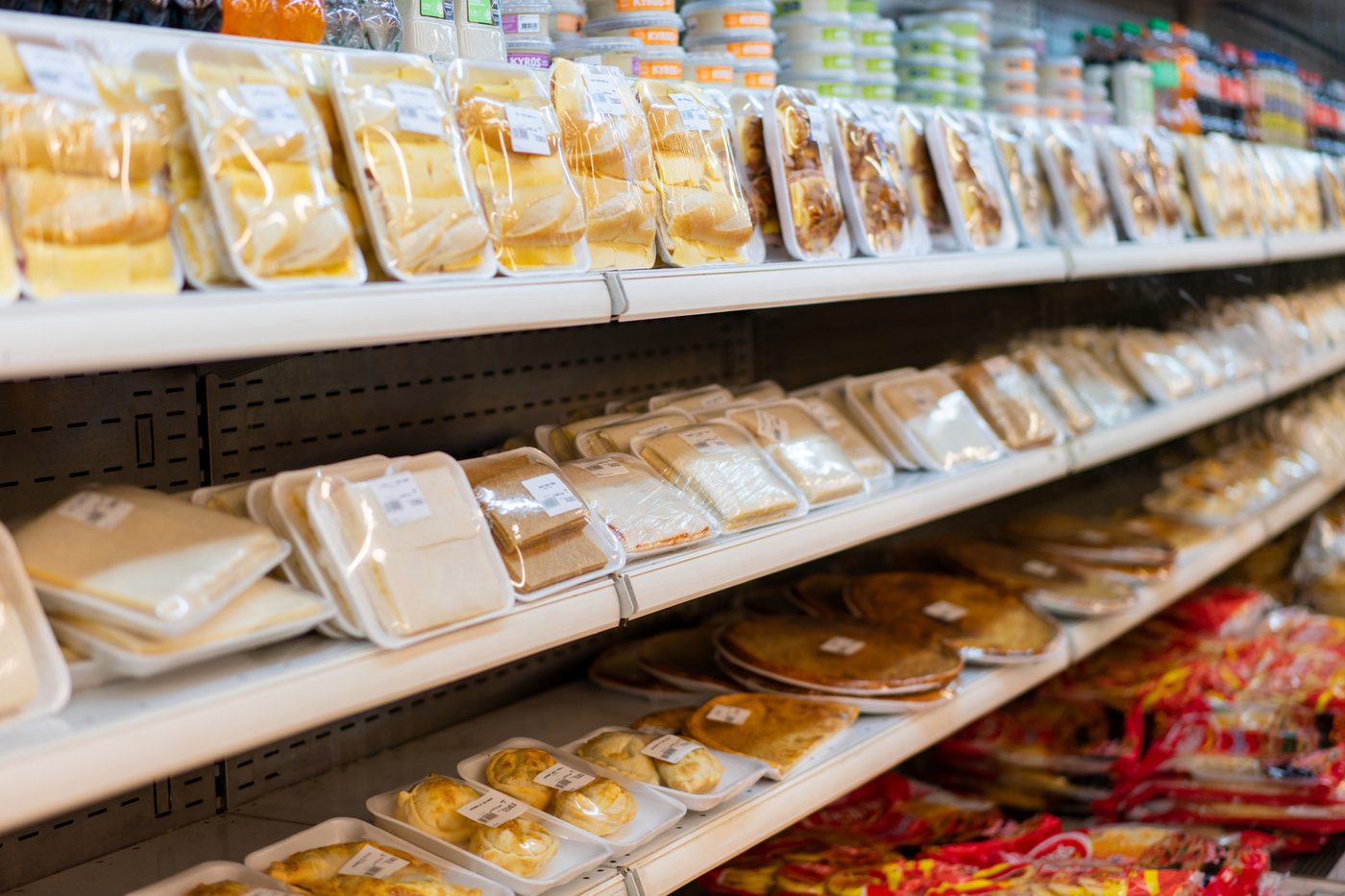
Gulfood exhibitors have an advantage most trade show stands do not: a product people can see, hold and taste. The screen's job is to amplify that, not to compete with it.
Scale is unforgiving on product footage
Food footage that looks acceptable on a website can fall apart on a large screen. Compression artefacts in dark sauces, slightly soft focus on a garnish, uneven lighting across a plate - all of it becomes obvious at two metres tall.
If product footage is being shot for a stand screen, it needs to be shot knowing that. Tighter lighting control, higher capture resolution, and careful attention to the things that scale badly.
Texture reads further than text
Across a busy hall, a visitor cannot read your ingredient list. They can absolutely read a slow shot of something being poured, cut or steamed.
Texture and motion are the strongest signals in food content at distance. Close, slow, well-lit product motion does more work than any amount of on-screen copy, and it translates across every language in the room - which matters at a show with this level of international footfall.
Decide what the screen is for
Gulfood stands tend to need the screen to do one of three jobs:
- Attract - hero product motion that pulls people in from the aisle
- Explain - provenance, process, certifications, supply capability
- Support meetings - quieter content behind conversations with buyers
These need different pacing and different content. Trying to do all three in one loop usually produces something that attracts nobody and supports no conversation.
Remember who you are actually selling to
Gulfood is a trade show, not a consumer event. The people stopping at your stand are buyers, distributors and importers.
That changes the content. Consumer-style advertising is the wrong register. Capacity, consistency, certification, supply reliability and packaging formats are what this audience needs, presented with the same production quality you would give a consumer campaign.
Keep the stand and screen consistent
The screen is part of the stand, not a separate deliverable. When screen content is designed by one party and stand graphics by another, the mismatch is visible - different colour handling, different type, different tone.
Agreeing the palette and typography across both before either goes into production avoids a stand that looks assembled rather than designed.
We build product-led content for exhibitors across the Dubai show calendar - see event and exhibition screen content.